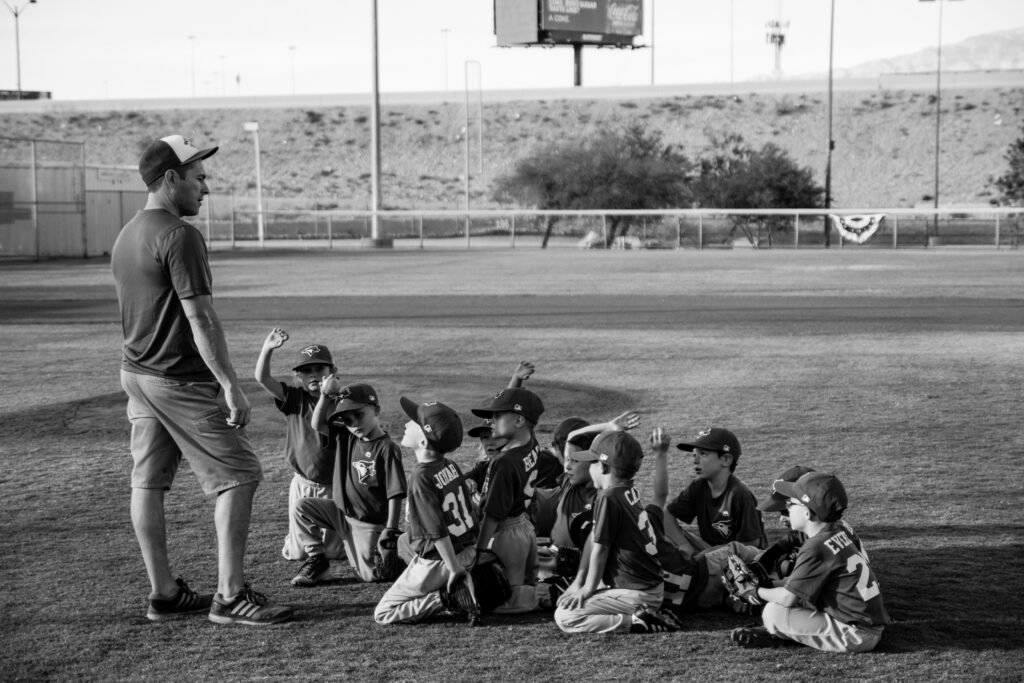
Get Clear on the Goal
Before you start sketching out drills and rotations, lock in the skill you’re targeting. Are you sharpening bat speed, tightening fielding footwork, or building conditioning? Don’t try to train everything at once. Pick one priority. That kind of clarity separates a focused session from a messy one.
Next, get your SMART objectives down on paper. Specific name the exact skill. Measurable define what success looks like. Achievable make sure it’s within reach. Relevant tie it into seasonal or personal goals. Time bound know when you’ll reassess. Example: “Increase infield throw accuracy from 78% to 85% over four weeks.” Vague goals lead to vague progress.
Also important: know if this session is individual or team focused. If you’re working one on one, drills can target micro mechanics. In a team setting, you need to think about how reps help collective performance. There’s a difference between getting better at turning double plays yourself and getting the whole infield synced under pressure. Both matter, but you plan them differently. Start with intent, or you’re just burning reps.
Structure: Working From Warm Up to Game Like
No matter the sport, don’t skip the warm up and don’t half ass it either. Start every session with intentional mobility work tailored to the movements athletes will use that day. That means joint stability, range of motion, and a few sport specific movement patterns. Get the body prepped to go from zero to game speed.
Once the engine’s running, it’s time to layer the work. First: master the technique. Low pressure, high focus. Then, add constraint drills targeted pressure under a bit of time or situational stress. Last comes reactive work: random cues, real speed decisions, chaos. Training isn’t real until something unpredictable happens.
To wire this into the brain and body, sprinkle in mini competitions. Keep it short, keep it sharp. Score it, call winners, raise the stakes just like the game. Athletes learn best when it counts.
And finally, don’t forget the part most people overlook: rest. That’s not downtime it’s where adaptation happens. If you’re not recovering between blocks, you’re just grinding, not growing.
Don’t Wing It Plan in Detail

Winging practice sounds cool until you’re 40 minutes in and still doing front toss with no clue what’s next. Structure matters. High output sessions come from planning, not guessing.
First, get clear on your drill strategy: block vs. random practice. Block practice means repeating the same skill over and over perfect for early stage mechanics or breaking in a new move. It builds muscle memory fast. Random practice shuffles skills around with game like unpredictability. It’s better for athletes looking to apply what they’re learning under pressure. Use block to build it. Use random to test it.
Now, manage your time like it’s money. Overload on mechanics and you’ll lose energy before the reps even matter. Skip the breakdown phase and you just reinforce sloppy habits. Balance segments. For example: 15 minutes on movement patterns, 20 minutes of reps, 10 under pressure, and a 5 minute recovery/debrief. Don’t let the clock boss you around use it as a tool.
Write your plan out. Pen and paper. Notes app. Doesn’t matter. But think like a coach, not a player. Build intent into each segment. Ask: what’s the point of this drill? What outcomes am I watching for?
Finally, time your transitions. Use cones to mark zones. Use a stopwatch or a whistle to keep everyone moving. Lag kills energy. The best practices have a snap and rhythm to them from warm up to game sim, no wasted motion.
Emphasize Quality Feedback
Practices can’t just feel good they need to work. That means feedback has to be more than vague comments after the final whistle. Use live feedback. Pause reps and fix things on the spot. The right correction at the right moment saves time and bad habits later.
Don’t rely on just one voice. Loop in peer feedback whenever possible. Teammates see things coaches might miss angles, effort, little habits. It’s not about making it personal; it’s about sharpening the edge together.
Video is your truth teller. Reviewing clips even short ones gives players a mirror. You can’t argue with playback. Pair it with notes to highlight patterns over time: what’s improving, what’s flatlining, what needs to change.
Trends matter. Too many players adjust week to week without seeing the bigger arc. Keep a log. Create charts. Compare old footage. Over time, these small check ins reveal what’s gaining traction and what isn’t.
The difference between good and great often comes down to this loop: real time guidance, multiple eyes, honest review, repeat. And the proof is in the numbers. The 2023 practice results show just how big the impact can be when feedback gets specific and sticks.
Measure What Matters
Tracking progress is more than just taking attendance or checking off drills. To truly improve performance, every practice should generate insights that inform future sessions.
Log Outcomes, Not Just Participation
It’s common to note which athletes showed up, but that only scratches the surface. Start documenting actual outcomes:
Record small wins in skill execution or tactical understanding
Log reps completed with quality indicators (e.g., accuracy, speed, intensity)
Highlight individual breakthroughs or critical team moments
Review Metrics Weekly Not Monthly
Waiting until the end of the month to evaluate progress is too late. Instead:
Review drill effectiveness every 5 7 days
Adjust based on player fatigue, engagement, and visible progress
Use the data to determine whether you’re reinforcing the right habits
Align Practice With Game Day Performance Metrics
Keep every drill connected to competitive outcomes. Make sure:
Drills reflect real game actions don’t practice in a vacuum
Patterns observed in games (missed plays, timing issues) are emphasized in training
Individual goals directly relate to in game roles and responsibilities
Fine Tune With Data Backed Observations
Use case studies like the 2023 practice results to analyze:
What types of drills spark consistent improvement?
Which measurable changes correlate with better in game stats?
How can your weekly plan evolve based on evidence, not guesswork?
Start building a feedback loop where every single session connects to your team’s goals, both short term and long term.
Evolve Every Week
A good practice doesn’t stay static. Rotate drills based on what’s actually working and where the team is in the season. Early preseason? Prioritize fundamentals. Mid season slump? Shift toward game scenario reps and mental sharpness. End of season? Focus on precision and recovery.
After every session, ask for input. Doesn’t need to be formal just honest. What drill felt useful? What felt like filler? You’re not running a daycare; you’re building performance. Cut the dead weight, keep the sessions lean.
The goal is not just high effort. It’s high impact. Drills should be repeatable, measurable, and built to track progress over time. The most effective practices aren’t the flashiest they’re the ones that deliver, week after week.
 Ask Kaelric Orrendale how they got into baseball news and updates and you'll probably get a longer answer than you expected. The short version: Kaelric started doing it, got genuinely hooked, and at some point realized they had accumulated enough hard-won knowledge that it would be a waste not to share it. So they started writing.
What makes Kaelric worth reading is that they skips the obvious stuff. Nobody needs another surface-level take on Baseball News and Updates, Upcoming Baseball Events, Expert Sports Commentary. What readers actually want is the nuance — the part that only becomes clear after you've made a few mistakes and figured out why. That's the territory Kaelric operates in. The writing is direct, occasionally blunt, and always built around what's actually true rather than what sounds good in an article. They has little patience for filler, which means they's pieces tend to be denser with real information than the average post on the same subject.
Kaelric doesn't write to impress anyone. They writes because they has things to say that they genuinely thinks people should hear. That motivation — basic as it sounds — produces something noticeably different from content written for clicks or word count. Readers pick up on it. The comments on Kaelric's work tend to reflect that.
Ask Kaelric Orrendale how they got into baseball news and updates and you'll probably get a longer answer than you expected. The short version: Kaelric started doing it, got genuinely hooked, and at some point realized they had accumulated enough hard-won knowledge that it would be a waste not to share it. So they started writing.
What makes Kaelric worth reading is that they skips the obvious stuff. Nobody needs another surface-level take on Baseball News and Updates, Upcoming Baseball Events, Expert Sports Commentary. What readers actually want is the nuance — the part that only becomes clear after you've made a few mistakes and figured out why. That's the territory Kaelric operates in. The writing is direct, occasionally blunt, and always built around what's actually true rather than what sounds good in an article. They has little patience for filler, which means they's pieces tend to be denser with real information than the average post on the same subject.
Kaelric doesn't write to impress anyone. They writes because they has things to say that they genuinely thinks people should hear. That motivation — basic as it sounds — produces something noticeably different from content written for clicks or word count. Readers pick up on it. The comments on Kaelric's work tend to reflect that.