
I’ve seen too many fantasy managers lose their leagues before the season even starts.
You draft a solid team and think you’re set. Then you watch other managers rack up more at-bats, catch better matchups, and cruise into the playoffs while you’re scrambling to make moves.
The difference? They’re using the MLB schedule as a weapon. You’re just reacting to it.
Most people treat the schedule like background noise. They check it on Sunday night to set their lineup for the week. That’s not how you win championships.
I’ve spent years digging into schedule data at sffarebaseball upcoming fixtures. I’ve tracked which teams play more games during key fantasy weeks. I’ve mapped out the playoff schedule quirks that can make or break your season.
This isn’t about memorizing dates. It’s about seeing opportunities before your league mates do.
You’ll learn how to spot favorable matchup clusters, maximize your games played advantage, and plan your roster moves around the schedule instead of against it.
The managers who win consistently? They know something you don’t. They know the schedule is sitting there waiting to be exploited.
Let me show you how.
Beyond Opening Day: Key Schedule Dates That Directly Impact Your Roster
You know that feeling when you check your lineup on a Tuesday morning and half your team isn’t playing?
I learned this the hard way three years ago during the All-Star Break. I was up by 12 points in my head-to-head matchup and figured I’d coast through the week. Didn’t bother checking the schedule.
Big mistake.
My opponent loaded up on guys playing the day before the break. I got crushed because I had four empty roster spots sitting there doing nothing.
Some fantasy managers say the regular season schedule doesn’t matter much. They argue that talent always wins out and you should just set your best lineup regardless of who’s playing when.
But that’s not how it works in practice.
The calendar shapes your roster decisions more than most people realize. Miss these key dates and you’re giving away wins.
The All-Star Break Effect
Those four days in July kill momentum in head-to-head leagues. Your pitchers sit idle while counting stats freeze.
I plan around this now. I look at who plays the Monday before the break and who starts up again on Friday. The teams with Thursday games before the pause? Those guys are gold for that final scoring period.
You can find these patterns in Sffarebaseball statistics 2023 data. The numbers show clear drops in production for players coming off the extended rest.
The Trade Deadline Dominoes
July 30th changes everything.
Your closer gets dealt to a contender and suddenly he’s a setup man. That platoon bat you’ve been holding? He just became an everyday starter on a rebuilding team.
I watch the sffarebaseball upcoming fixtures right after deadline deals. New teams mean new ballparks and different lineup spots.
September Call-Ups
This is where people get fooled.
A hot prospect gets called up and everyone scrambles to add him. But half these guys sit on the bench while veterans play out the string.
I look for teams out of contention that have nothing to lose. Those are the clubs giving real at-bats to their young players.
International Series Quirks
London games mess with everything. Different time zones, travel across an ocean, and ballparks that play nothing like MLB stadiums.
Last season I benched two starters who pitched in Mexico City. The altitude there does weird things to fly balls and I wasn’t taking chances.
The schedule isn’t just background noise. It’s part of your strategy.
The Weekly Game: Exploiting Matchup Volume and Strength of Schedule
You’re staring at your lineup on Sunday night.
Two of your starters only have five games this week. Your opponent’s entire roster? Seven games across the board.
That’s 14 extra at-bats per player before you even factor in talent.
Most fantasy managers I talk to don’t check the weekly schedule until it’s too late. They set their lineup based on who’s hot and hope for the best.
Here’s what happens next. They lose counting stats by a handful of RBIs or stolen bases. Games they should’ve won.
Now, some people will tell you that talent always wins out. That you should start your studs no matter what the schedule looks like. While some may argue that talent always prevails in fantasy sports, those well-versed in strategies like Sffarebaseball know that matchups and schedules can be just as crucial in determining your lineup’s success. While some may argue that talent always prevails in fantasy sports, those well-versed in strategies like Sffarebaseball know that matchups and schedules can be just as crucial in determining success.
And sure, I’m not benching Aaron Judge because he only plays six games. That’s not what I’m saying.
But when you’re deciding between two similar players? Volume matters. A lot.
Let me show you how this actually works.
The 7-Game Week Advantage
I check sffarebaseball upcoming fixtures every Sunday without fail.
I’m looking for one thing first. Which teams play a full seven games?
It sounds simple because it is. But most managers skip this step entirely.
A player with seven games gets roughly 28 at-bats in a week. Compare that to someone with five games who might see 20 at-bats. That’s eight extra chances to produce counting stats.
In head-to-head formats, those extra opportunities can swing an entire category.
Finding Favorable Hitting Environments
Here’s where it gets interesting.
You’ve got two second basemen with seven-game weeks. One plays four games at home in a pitcher’s park. The other plays a three-game series at Coors Field.
Which one do you start?
The Coors series changes everything. Balls fly out of that park like they’re shot from a cannon (and the thin air basically turns every flyball into a potential home run).
I cross-reference the weekly schedule with ballpark factors before I finalize my lineup. When I see a team with multiple games in Colorado or Cincinnati or Texas, I’m hunting their waiver wire bats.
Streaming Pitchers 101
Two-start pitchers win weeks.
But not all two-start pitchers are created equal. Starting a guy who faces the Dodgers and Braves? That’s how you tank your ratios for seven days.
I look for pitchers facing teams with high strikeout rates and low walk rates. Teams that swing and miss give you a better shot at quality starts and Ks without blowing up your ERA.
The waiver wire is full of these guys if you know where to look. Sixth starters on good teams. Guys coming off the IL with two soft matchups.
Avoiding Pitching Nightmares
Last season I watched someone start their ace against Houston and then Atlanta in the same week.
He got shelled. Twice.
Sometimes the smart play is benching your best pitcher. I know that sounds backwards, but hear me out.
If your ratios are close and your starter faces two top-five offenses, you’re risking a week-long disaster. One bad outing tanks your ERA and WHIP. Two bad outings? You’re done.
I’d rather start a streamer with two favorable matchups than roll the dice on my ace facing murderer’s row back to back.
The difference between winning and losing your week often comes down to these schedule decisions. Not talent. Not luck.
Just knowing when to push your advantages and when to play it safe.
The Unbalanced Schedule: Finding Hidden Value in Divisional Play
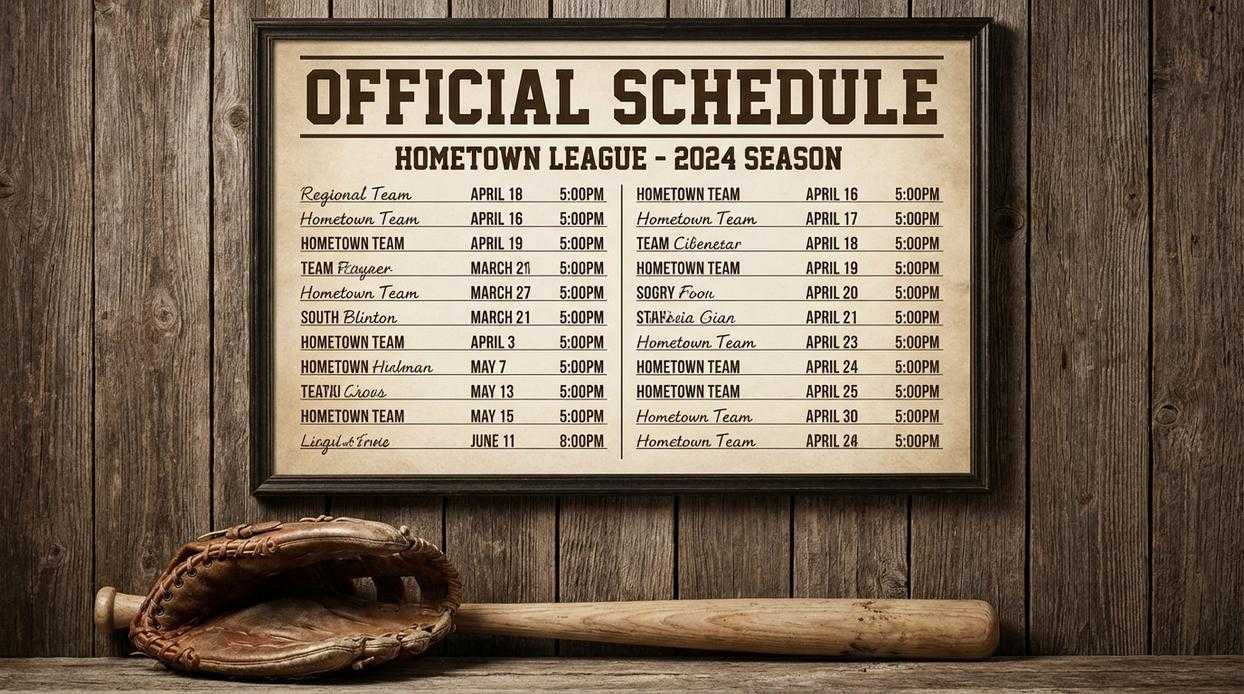
Most fantasy owners draft based on last year’s numbers.
They see a guy hit .280 with 25 homers and think that’s what they’re getting.
But here’s what they miss.
Baseball’s schedule isn’t balanced. Teams play 19 games against each divisional opponent. That’s 76 games (nearly half the season) against just four teams.
I was talking to a league mate last week who said, “Schedule strength doesn’t matter that much in fantasy.”
He’s wrong.
Let me show you why.
What is an Unbalanced Schedule?
Every team plays 162 games. But those games aren’t spread evenly across all 29 opponents.
You face your division rivals 19 times each. Everyone else? Maybe six or seven games total. If this resonates with you, I dig deeper into it in Results Yesterday Sffarebaseball.
This creates massive value gaps that most people ignore.
A hitter in the AL East faces the Yankees and Rays pitching staffs 38 times. A hitter in a weaker division? They’re teeing off on bottom-tier pitching nearly half the year. In light of the stark contrast in pitching quality across divisions, fans can gain valuable insights into player performance by checking the Sffarebaseball Results Today From Sportsfanfare, which highlights how hitters fare against top-tier versus bottom-tier pitching throughout the season. In light of the stark contrast in pitching quality across divisions, fans can gain valuable insights into player performance by analyzing the Sffarebaseball Results Today From Sportsfanfare, which highlight how hitters fare against varying levels of competition.
Targeting Weak Divisions
Before your draft, I look at three things:
Division ERA from the previous season. If four out of five teams had pitching staffs ranked in the bottom half, that division is soft.
Projected wins. When multiple teams in a division are projected to lose 85+ games, their pitching depth is usually terrible.
Bullpen metrics. Bad bullpens mean more late-game runs for opposing hitters.
Here’s a simple table I use:
| Division | Avg Team ERA | Teams Under .500 | Value Rating |
|---|---|---|---|
| ———- | ————– | —————— | ————– |
| NL Central | 4.45 | 3 | High |
| AL Central | 4.38 | 3 | High |
| AL West | 3.89 | 2 | Medium |
(These are examples, but you get the idea.)
When I find a weak division, I target hitters from the good teams in that division. They’re going to feast.
Draft Strategy Application
Let’s say the NL Central looks weak heading into draft season.
I’m prioritizing Brewers and Cardinals hitters. Why? Because they’ll face the Pirates, Reds, and Cubs pitching staffs 57 times combined.
One owner in my league said last year, “But those guys have lower projections than the big names.”
Sure. But projections don’t account for schedule.
I took a Cardinals outfielder in the 8th round who ended up top 30 at his position. He hit .310 with a .890 OPS against division opponents.
That’s not luck. That’s math.
In-Season Pivot
Here’s where it gets interesting.
Divisions change as the season goes on. A team that looked decent in April might be selling at the deadline and calling up Triple-A arms.
I check sffarebaseball results today from sportsfanfare to track which teams are falling apart.
Then I look at sffarebaseball upcoming fixtures.
If a waiver-wire hitter is about to play 10 of his next 12 games against a division that’s tanking? I’m grabbing him. I expand on this with real examples in Sffarebaseball Statistics Yesterday.
Last season, I picked up a utility guy in June who had a .240 average. He was entering a stretch with nine games against two last-place teams.
He hit .380 over those two weeks and I flipped him in a trade.
Pro tip: Set calendar reminders for when good offensive teams start long divisional stretches in July and August. That’s when you strike.
Some people will tell you this is overthinking it. That talent always wins out.
But I’ve seen too many mid-tier hitters have monster months because they played 15 games against the Royals and Athletics.
The schedule isn’t fair. And that’s exactly where the value is.
Winning When It Counts: How to Master the Fantasy Playoff Schedule
Your team looks great in July.
But that doesn’t mean anything if you can’t win in September.
I see this mistake all the time. People draft based on April projections and never think about what happens when the fantasy playoffs roll around. They assume a good player stays good no matter what.
That’s not how it works.
Some folks will tell you to just draft the best players available and let the schedule sort itself out. They say worrying about Weeks 22-24 in the middle of summer is overthinking it.
Here’s why they’re wrong.
The teams that play five games during championship week have a massive edge over teams that play three. It’s simple math. More at-bats means more counting stats, and counting stats win titles.
I’ve won leagues by trading for guys with better playoff schedules in August. Players my league mates thought I was crazy for targeting.
The secret? I count games before they count in the standings.
Here’s what you need to do:
- Check the sffarebaseball upcoming fixtures for your playoff weeks
- Count how many games each team plays during that window
- Identify which teams face weak pitching staffs
- Make your moves before anyone else notices
That third-round pick who faces the Rockies and A’s four times in Week 23? He just became more valuable than the second-rounder facing the Dodgers and Braves.
Now, will MLB change the schedule format next year? Maybe. Could injuries derail your best-laid plans? Absolutely.
But I’d rather bet on preparation than hope.
The championship window is short. Three weeks at most in standard leagues. You can’t afford to roster guys sitting through off days or facing Cy Young candidates every night. As you navigate the high-stakes landscape of fantasy baseball, keeping a close eye on Sffarebaseball Statistics 2023 can make all the difference in identifying which players to drop or hold in the crucial weeks leading up to the championship. …the difference between a championship roster and one that falls short, as these insights will help you identify the players who can maximize your lineup’s potential in the final stretch by leveraging Sffarebaseball Statistics 2023.
Start planning now. Your September self will thank you.
From Reactive Manager to Proactive Champion
You now have the complete framework for using the MLB schedule as a strategic tool.
Not just a calendar.
I know the weekly scramble. You’re hunting for players at the last minute while your competition already made their moves. It’s frustrating and it costs you wins.
Planning ahead changes everything. You make calculated decisions instead of desperate ones.
This proactive approach works because it maximizes your team’s output. You consistently put your players in the best position to succeed. That’s how you win leagues.
Here’s what you need to do: Start analyzing the schedule right now. Bookmark the key dates and identify the favorable matchups. Check sffarebaseball upcoming fixtures regularly to stay current.
Build a draft plan that gives you a competitive edge from day one.
The managers who plan ahead are the ones who finish on top. Your next move is to stop reacting and start controlling your season.
 Ask Kaelric Orrendale how they got into baseball news and updates and you'll probably get a longer answer than you expected. The short version: Kaelric started doing it, got genuinely hooked, and at some point realized they had accumulated enough hard-won knowledge that it would be a waste not to share it. So they started writing.
What makes Kaelric worth reading is that they skips the obvious stuff. Nobody needs another surface-level take on Baseball News and Updates, Upcoming Baseball Events, Expert Sports Commentary. What readers actually want is the nuance — the part that only becomes clear after you've made a few mistakes and figured out why. That's the territory Kaelric operates in. The writing is direct, occasionally blunt, and always built around what's actually true rather than what sounds good in an article. They has little patience for filler, which means they's pieces tend to be denser with real information than the average post on the same subject.
Kaelric doesn't write to impress anyone. They writes because they has things to say that they genuinely thinks people should hear. That motivation — basic as it sounds — produces something noticeably different from content written for clicks or word count. Readers pick up on it. The comments on Kaelric's work tend to reflect that.
Ask Kaelric Orrendale how they got into baseball news and updates and you'll probably get a longer answer than you expected. The short version: Kaelric started doing it, got genuinely hooked, and at some point realized they had accumulated enough hard-won knowledge that it would be a waste not to share it. So they started writing.
What makes Kaelric worth reading is that they skips the obvious stuff. Nobody needs another surface-level take on Baseball News and Updates, Upcoming Baseball Events, Expert Sports Commentary. What readers actually want is the nuance — the part that only becomes clear after you've made a few mistakes and figured out why. That's the territory Kaelric operates in. The writing is direct, occasionally blunt, and always built around what's actually true rather than what sounds good in an article. They has little patience for filler, which means they's pieces tend to be denser with real information than the average post on the same subject.
Kaelric doesn't write to impress anyone. They writes because they has things to say that they genuinely thinks people should hear. That motivation — basic as it sounds — produces something noticeably different from content written for clicks or word count. Readers pick up on it. The comments on Kaelric's work tend to reflect that.