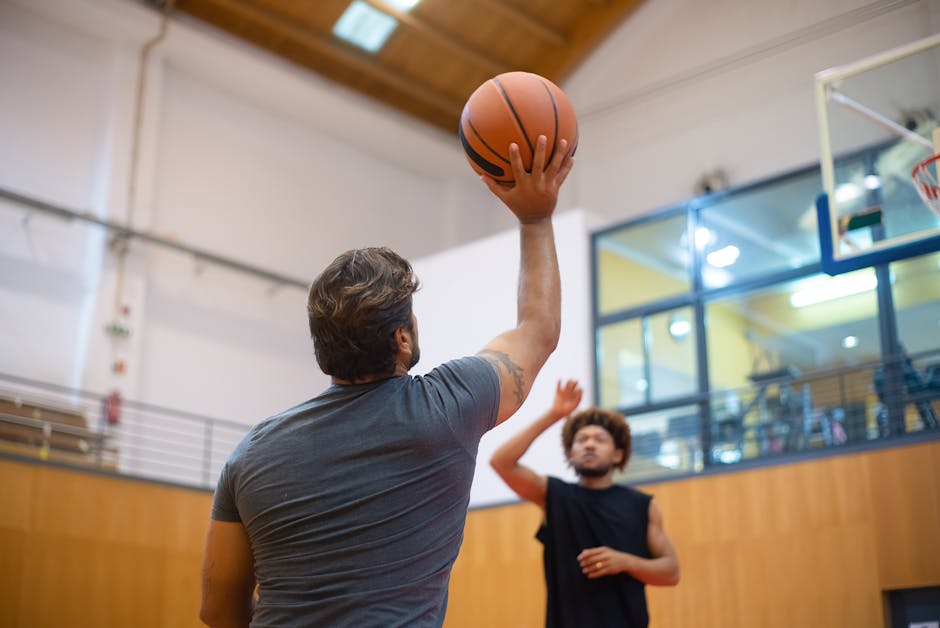
Athletes at every level share a single common goal: delivering their absolute best performance when it matters most. One rolled ankle during a key game can sideline a player for weeks. What many competitors fail to recognize, whether they are seasoned professionals or ambitious newcomers still learning the demands of their sport, is that proper ankle support, when chosen carefully and worn consistently, does far more than simply prevent injury on the field or court. It sharpens agility, builds confidence, and enables the body to move with purpose and precision. The right ankle brace can give you a real competitive edge in basketball, tennis, soccer, or baseball. This guide explains in detail exactly how ankle braces influence your playing ability, which specific type best suits the demands of your sport, and how you can avoid the most frequent mistakes that players commonly make when selecting and using ankle support gear.
How Ankle Braces Directly Impact Your Game Performance
The connection between ankle stability and athletic output is well documented. When your ankle joint feels secure, your nervous system sends faster signals to your legs, enabling quicker cuts, sharper pivots, and more explosive jumps. Players who wear supportive braces often report feeling “lighter” on their feet, not because the brace reduces weight but because it removes the unconscious hesitation that comes with joint vulnerability. If you are searching for a reliable ankle brace for running or multi-directional court sports, choosing a design that blends protection with freedom of movement is the first step toward better results.
Reaction Time and Lateral Speed
A well-fitted brace restricts dangerous inversion and eversion while preserving dorsiflexion, the forward-and-back movement essential for sprinting and jumping. Research that has been published in leading sports medicine journals confirms that athletes who wear lace-up or semi-rigid braces are able to maintain a nearly identical range of motion while significantly reducing lateral ankle displacement by up to 40 percent. That reduction leads to quicker direction changes, as the foot plants more cleanly and energy transfer becomes more direct. Outfielders, point guards, and tennis players all gain an advantage from this improved ground contact during quick movements.
Psychological Confidence on the Field
Athletic performance is not solely a matter of physical ability. Athletes who have previously experienced sprains frequently protect the injured joint by shifting weight and compensating with other muscles. This protective pattern, which develops as the body instinctively tries to shield the previously injured joint from further harm, significantly limits both the athlete’s overall speed and their coordination, ultimately preventing them from performing at the level they are truly capable of reaching during competition. Wearing a brace interrupts that cycle by delivering steady proprioceptive feedback to the athlete’s nervous system. Gentle compression reassures the brain the joint is stable, helping players fully commit to explosive movements. Coaches are increasingly recommending braces not only as essential aids during the rehabilitation process but also as ongoing, practical tools that help athletes gradually build lasting trust in their body’s capacity to perform reliably under pressure.
Choosing the Right Ankle Brace for Running and Court Sports
Not all braces serve the same purpose. A distance runner needs a lightweight, low-profile sleeve that absorbs repetitive impact without adding bulk, while a basketball player requires a sturdier design that resists sudden lateral forces. Understanding these distinctions is essential for selecting a brace that helps rather than hinders your performance. Players who want to build a complete preparation routine can explore our resource on designing an effective practice session that includes warm-up drills tailored to supported ankles.
Matching Brace Type to Your Sport
There are three primary categories of ankle braces, and each one suits different athletic demands:
- Compression sleeves provide mild support, warmth, and light stabilization for endurance athletes without stiffness.
- Lace-up braces offer moderate support, ideal for volleyball and basketball’s jumping and lateral movements.
- Hinged or semi-rigid braces offer maximum protection, ideal for contact sports or sprain recovery.
You should avoid using an overly rigid brace. A brace that is excessively rigid for the specific demands of your sport will inevitably slow you down and may even lead to compensatory injuries developing in the knee or hip joints. Try different brace styles in practice before choosing one for competition.
Key Benefits of Wearing Ankle Braces During Competitive Play
Beyond injury prevention, braces offer tangible performance advantages that many athletes underestimate. The compression improves blood circulation around the joint, which reduces fatigue over long matches and helps muscles fire more consistently in the final quarter of a game. According to medical experts who focus on strategies for improving athletic performance, maintaining joint health is one of the most overlooked factors in sustained competitive output. Players who protect their ankles tend to train more consistently, accumulate fewer missed sessions, and peak at the right moments during a season.
Braces also help control swelling while athletes are physically active. Even slight ankle inflammation can disrupt a player’s gait and reduce hitting, shooting, or passing accuracy. By controlling swelling, a brace maintains the biomechanical alignment that athletes develop over years of practice and repetition.
Common Mistakes Players Make When Using Ankle Support
Even committed athletes can reduce a brace’s benefits by wearing it improperly or using it instead of proper conditioning. A common mistake is selecting a brace based only on price instead of proper fit. A loose brace tends to slide around during physical movement and provides almost no meaningful stabilization, while an overly tight one dangerously restricts proper blood flow and frequently causes uncomfortable numbness in the surrounding area. Always measure your ankle circumference and consult the sizing chart before purchasing.
Another mistake involves skipping strengthening exercises. A brace supports the joint, but it does not replace the muscles, tendons, and ligaments that hold everything together. Players should pair their brace use with targeted resistance band exercises, calf raises, and balance board drills. Our collection of training and coaching tips includes several ankle-specific routines that complement brace wear.
A third common pitfall is wearing the same brace long after it has lost its elasticity. Most braces that are constructed from fabric-based materials, which are designed to provide compression and joint stability, tend to maintain their supportive qualities and structural integrity for roughly 60 to 90 days of regular, consistent use before the elastic fibers begin to degrade. After that time, the material loses its shape and the compression becomes significantly less effective. Set a reminder on your calendar so that you can replace the brace on schedule, which will ensure that you maintain steady and reliable protection throughout the entirety of your playing season.
Step Onto the Field With Confidence and Stability
Ankle braces now serve as more than simple recovery devices. They have become standard equipment for athletes who, driven by the desire to push their physical limits and perform at their peak, want to train and compete with confidence, free from the constant worry that a sudden, unexpected twist or roll could result in a devastating, season-ending injury. Choosing the right brace for your sport, fitting it well, and pairing it with a strengthening program can change how you perform. Rather than waiting for an injury to force your hand, make the decision to protect your ankles now, before a painful setback sidelines you from the sport you love. Begin incorporating ankle support into your regular training routine right now, so that you can give yourself the solid and stable foundation upon which every strong athletic performance is ultimately built.
Frequently Asked Questions
Where can I find the best ankle brace for running that balances protection with mobility?
The key is finding ankle braces specifically designed for forward motion while providing lateral stability. Different sports require different support features – running braces prioritize breathability and forward flexibility over the rigid lateral support needed for court sports. Betterguards offers specialized ankle brace for running options that meet these specific athletic demands.
Which ankle brace features should basketball and tennis players prioritize for court sports?
Court sport athletes need ankle braces that excel at lateral stability since these sports involve frequent side-to-side movements and sudden direction changes. Look for semi-rigid designs or lace-up models that limit harmful inversion and eversion while preserving the dorsiflexion range needed for jumping and quick pivots. The brace should feel secure during cutting movements without creating pressure points during extended play.
How do ankle braces actually improve athletic performance beyond just injury prevention?
Ankle braces enhance performance by increasing joint stability, which allows your nervous system to send faster signals to your legs for quicker cuts and more explosive jumps. Players often report feeling lighter on their feet because the brace removes unconscious hesitation from joint vulnerability. This improved confidence translates into sharper pivots, better agility, and more precise movement patterns during competition.
What are the most common mistakes athletes make when choosing ankle support gear?
Many athletes choose generic ankle braces without considering their specific sport demands or proper fit requirements. Common errors include selecting overly restrictive braces that limit beneficial movement, choosing the wrong size that creates pressure points, or picking designs meant for different activities. The key is matching the brace design to your sport’s movement patterns while ensuring proper fit for both protection and performance enhancement.
What type of ankle brace provides the best lateral stability without restricting forward movement?
Lace-up and semi-rigid braces offer optimal lateral protection while maintaining nearly identical range of motion for forward movement. Research shows these designs can reduce lateral ankle displacement by up to 40 percent without restricting dorsiflexion – the critical forward-and-back motion needed for sprinting and jumping. This combination allows for faster direction changes because your foot plants more cleanly and securely.
 Ask Daniell Hayeshots how they got into expert sports commentary and you'll probably get a longer answer than you expected. The short version: Daniell started doing it, got genuinely hooked, and at some point realized they had accumulated enough hard-won knowledge that it would be a waste not to share it. So they started writing.
What makes Daniell worth reading is that they skips the obvious stuff. Nobody needs another surface-level take on Expert Sports Commentary, Game Highlights and Analysis, Baseball News and Updates. What readers actually want is the nuance — the part that only becomes clear after you've made a few mistakes and figured out why. That's the territory Daniell operates in. The writing is direct, occasionally blunt, and always built around what's actually true rather than what sounds good in an article. They has little patience for filler, which means they's pieces tend to be denser with real information than the average post on the same subject.
Daniell doesn't write to impress anyone. They writes because they has things to say that they genuinely thinks people should hear. That motivation — basic as it sounds — produces something noticeably different from content written for clicks or word count. Readers pick up on it. The comments on Daniell's work tend to reflect that.
Ask Daniell Hayeshots how they got into expert sports commentary and you'll probably get a longer answer than you expected. The short version: Daniell started doing it, got genuinely hooked, and at some point realized they had accumulated enough hard-won knowledge that it would be a waste not to share it. So they started writing.
What makes Daniell worth reading is that they skips the obvious stuff. Nobody needs another surface-level take on Expert Sports Commentary, Game Highlights and Analysis, Baseball News and Updates. What readers actually want is the nuance — the part that only becomes clear after you've made a few mistakes and figured out why. That's the territory Daniell operates in. The writing is direct, occasionally blunt, and always built around what's actually true rather than what sounds good in an article. They has little patience for filler, which means they's pieces tend to be denser with real information than the average post on the same subject.
Daniell doesn't write to impress anyone. They writes because they has things to say that they genuinely thinks people should hear. That motivation — basic as it sounds — produces something noticeably different from content written for clicks or word count. Readers pick up on it. The comments on Daniell's work tend to reflect that.