
These coordinates, 52.376552, 5.98303, pinpoint a specific location within the vast Veluwe nature area in the Netherlands, near a road called Hoog Buurloseweg.
This spot isn’t a famous landmark, but it’s part of one of the country’s most significant natural landscapes.
In this guide, I’ll detail the immediate surroundings of the coordinate. I’ll also explain the importance of the greater Veluwe region and provide practical tips for visiting.
You’ll get a complete picture of what this location offers for travelers, hikers, and nature enthusiasts.
I’m all about giving you direct, useful information. So, if you’re looking to understand or visit this exact spot, you’re in the right place.
A Closer Look at the Exact Location
The coordinates 52.376552,5.98303 place you in a serene, forested area right next to Hoog Buurloseweg.
This spot is a mix of heathland and pine forests, typical of the Veluwe region.
It’s quiet and natural, perfect for those who love the outdoors.
Local cyclists and hikers often frequent this area, making it a popular yet peaceful destination.
There’s no specific monument or building here, but it’s an excellent starting point for exploring the surrounding trails.
You can easily reach this location by car or bicycle via the road. Informal parking is usually available along the shoulder.
The flora here is quite diverse. You’ll find Scots pine trees and heather, which are common in this type of landscape.
Wildlife signs are also abundant. Keep an eye out for small animals and birds that call this area home.
In short, it’s a great spot to connect with nature and enjoy some peace and quiet.
Understanding the Greater Veluwe and Hoog Buurlo Area
I remember the first time I visited the Hoge Veluwe National Park. It was a crisp autumn day, and the vibrant colors of the forest seemed to stretch on forever. The Veluwe is the largest lowland nature reserve in Northwestern Europe, covering a vast area of forests, heathlands, and sand dunes.
- It’s a place where you can lose yourself in the beauty of nature.
- The sheer scale and diversity of the landscape are truly awe-inspiring.
The Hoog Buurlo area, with its rich history as a small agricultural settlement, adds a unique charm to the region. The Schaapskooi (sheep pen) is a testament to the area’s pastoral past. Walking through the hamlet, you can almost feel the echoes of the farmers and shepherds who once called this place home.
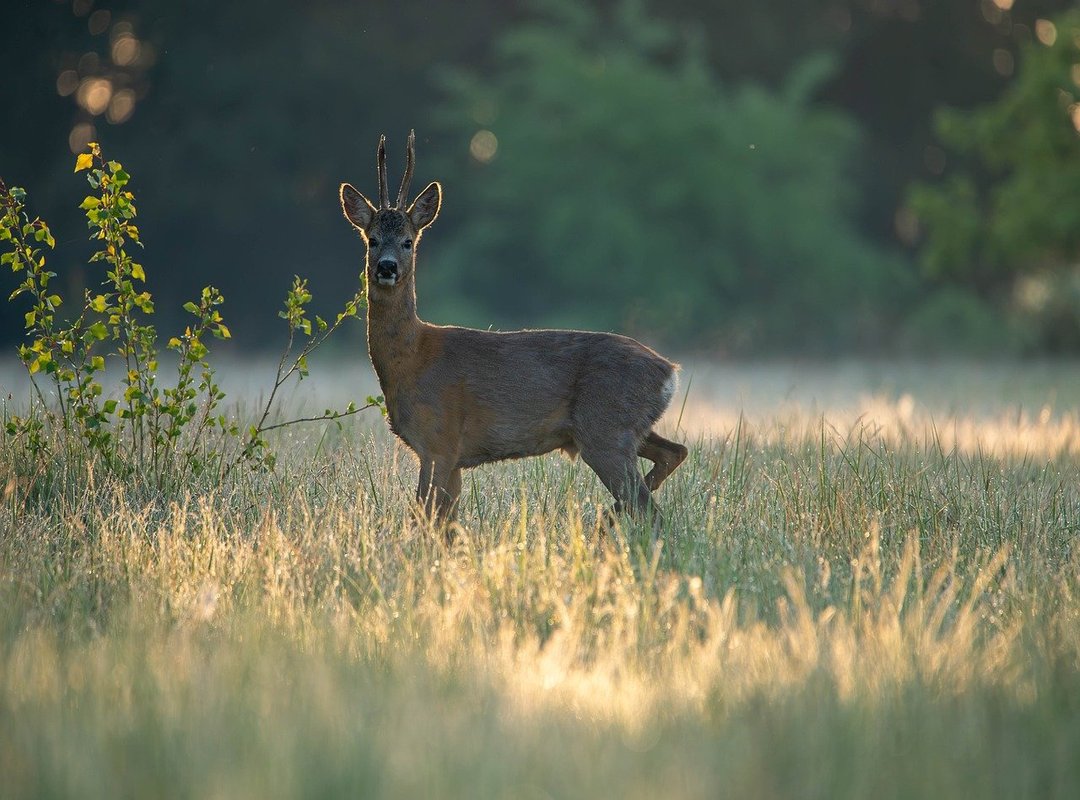
The Big Four of Dutch wildlife—red deer, wild boar, roe deer, and mouflon—roam freely here. It’s not uncommon to spot one of these majestic creatures while hiking or cycling. The coordinate 52.376552,5.98303 lies within a web of well-maintained paths for wandelroutes (hiking) and fietspaden (cycling).
This area is also a designated stiltegebied or quiet zone, emphasizing the focus on preserving natural tranquility. The silence here is profound, allowing you to fully immerse yourself in the sounds of nature. It’s a place where you can truly disconnect from the hustle and bustle of everyday life. 52.376552,5.98303
A Practical Guide for Your Visit
If you’re planning a trip to the beautiful nature area near Hoog Buurloseweg, Apeldoorn, let me guide you through it. The easiest way to get there is by car. Just plug ‘Hoog Buurloseweg, Apeldoorn’ into your GPS and follow the route.
But what if you don’t have a car? No worries. You can take a train to Apeldoorn, then hop on a bus or rent an OV-fiets (public transport bike) to reach the nature area.
It’s a scenic ride, trust me.
Once you’re there, you’ll find plenty of activities to keep you busy. Long-distance hiking, recreational cycling, wildlife photography, and bird watching are just a few. The trails are well-marked, so you won’t get lost.
The best times to visit are September and October, especially if you want to witness the red deer mating season, known as burlen. Another great time is late summer when the heather is in full purple bloom. It’s a sight to behold.
One visitor told me, “The heather fields in full bloom are like a sea of purple. It’s magical.” I couldn’t agree more.
Before you head out, make sure to pack some essentials. Bring water and snacks; there are no facilities at the exact spot. Wear sturdy walking shoes, and don’t forget your binoculars for wildlife viewing.
You never know what you might spot.
Oh, and here’s a pro tip: Download an offline map of the area. Cell service can be unreliable in the dense forest. Coordinates 52.376552,5.98303 will help you pinpoint your location if you need to.
Enjoy your visit, and remember, the key is to stay prepared and soak in the natural beauty around you.
Exploring Attractions Near the Coordinate
If you’re near 52.376552,5.98303, there’s plenty to see and do. Radio Kootwijk is a must-visit. This stunning Art Deco former radio transmitting station, often called ‘The Cathedral,’ sits in the middle of the heathland.
The Kröller-Müller Museum is another gem. Located within the Hoge Veluwe National Park, it boasts the world’s second-largest collection of Van Gogh paintings.
Don’t miss the nearby village of Hoenderloo. It’s a popular entry point to the park and has several restaurants and cafes. Perfect for a quick bite or a leisurely meal.
Lastly, the city of Apeldoorn is worth a visit. Its main attraction, Paleis Het Loo, is a former royal palace with magnificent gardens. A great spot for history buffs and nature lovers alike.
Your Quick Summary for Visiting This Dutch Nature Spot
The coordinate 52.376552, 5.98303 is an accessible point within the beautiful and expansive Veluwe nature reserve. While the spot itself may seem unremarkable, it serves as a gateway to incredible hiking, cycling, and wildlife experiences. For nature lovers seeking tranquility and outdoor activity in the Netherlands, this area is a prime destination.
The true value lies not in the pin on the map, but in the vast natural landscape it represents.
 There is a specific skill involved in explaining something clearly — one that is completely separate from actually knowing the subject. Kaseyer Ziolkowski has both. They has spent years working with player stats and profiles in a hands-on capacity, and an equal amount of time figuring out how to translate that experience into writing that people with different backgrounds can actually absorb and use.
Kaseyer tends to approach complex subjects — Player Stats and Profiles, Baseball News and Updates, Upcoming Baseball Events being good examples — by starting with what the reader already knows, then building outward from there rather than dropping them in the deep end. It sounds like a small thing. In practice it makes a significant difference in whether someone finishes the article or abandons it halfway through. They is also good at knowing when to stop — a surprisingly underrated skill. Some writers bury useful information under so many caveats and qualifications that the point disappears. Kaseyer knows where the point is and gets there without too many detours.
The practical effect of all this is that people who read Kaseyer's work tend to come away actually capable of doing something with it. Not just vaguely informed — actually capable. For a writer working in player stats and profiles, that is probably the best possible outcome, and it's the standard Kaseyer holds they's own work to.
There is a specific skill involved in explaining something clearly — one that is completely separate from actually knowing the subject. Kaseyer Ziolkowski has both. They has spent years working with player stats and profiles in a hands-on capacity, and an equal amount of time figuring out how to translate that experience into writing that people with different backgrounds can actually absorb and use.
Kaseyer tends to approach complex subjects — Player Stats and Profiles, Baseball News and Updates, Upcoming Baseball Events being good examples — by starting with what the reader already knows, then building outward from there rather than dropping them in the deep end. It sounds like a small thing. In practice it makes a significant difference in whether someone finishes the article or abandons it halfway through. They is also good at knowing when to stop — a surprisingly underrated skill. Some writers bury useful information under so many caveats and qualifications that the point disappears. Kaseyer knows where the point is and gets there without too many detours.
The practical effect of all this is that people who read Kaseyer's work tend to come away actually capable of doing something with it. Not just vaguely informed — actually capable. For a writer working in player stats and profiles, that is probably the best possible outcome, and it's the standard Kaseyer holds they's own work to.