
What’s New on the Diamond in 2026
Major League Baseball doesn’t always move fast, but when it does, it aims to make it stick. This season brought another batch of rule changes some refinements, some overhauls all designed with a few key goals: speeding up the game, improving safety, and keeping fans more hooked than ever.
The headline change was the expansion of pitch clock regulations, now known unofficially as Pitch Clock 2.0. The timing window for pitchers was tightened slightly, and enforcement became more rigid. Batters also lost wiggle room, with violations now resulting in strikes with no warnings. The outcome: shorter games, fewer dead moments, and no room for indecision.
The league also cleaned up around shift restrictions after teams got creative in 2025. This year’s updates closed key positioning loopholes, forcing more traditional infield play and, in theory, boosting offense. Add to that stricter disengagement rules for pitchers making pickoff attempts riskier and you’ve got a season where stealing bases is suddenly strategy, not just instinct.
Why all these tweaks? Viewer data drove most of it. Faster games hold attention longer. More hits mean livelier broadcasts. And tightening pitcher routines has lowered injury risks around overuse. It’s as much about fan retention as it is protecting arms.
As for rollout, MLB got louder and more proactive. Pre season videos, mandatory clubhouse briefings, and real time enforcement left little room for confusion. Umpires aren’t hesitating to call violations, and teams know the margin for error is gone.
No system is perfect. But one thing’s clear: 2026 isn’t just a transition season it’s a stress test for the future of the game.
Pitch Clock 2.0: Faster but Fairer?
The pitch clock, introduced in 2023 to trim down game lengths, got a tune up in 2026. The main tweak: the time between pitches has been reduced by two seconds with runners on base (down to 18 seconds), and enforcement now leaves less wiggle room. Umpires are calling violations quickly, and both pitchers and batters are feeling the pressure.
Pitchers, especially veterans used to a slower tempo, have had to overhaul their rhythm. There’s less time to shake off signs or reset after a tough pitch. Some are building new routines; others are struggling with stamina and command. On the other side, batters must be alert faster. That’s pushing many to simplify pre pitch rituals, but it’s also encouraging more aggressive swings early in the count to avoid being rushed.
Not everyone’s happy. Some players think the clock disrupts the natural timing of the game. Others say it’s good to sweat a little it keeps things sharp. Coaches are split: some love the clock’s ability to speed up strategy, while others see it as a layer of artificial constraint.
Still, early numbers show positive trends. Games are on average 21 minutes shorter. Mound visits are down. Strike counts are up. For fans and broadcasters, that’s a cleaner, tighter viewing experience. The verdict? The game moves faster, but it’s not losing its edge it’s gaining a new one.
Shift Restrictions Revisited
When MLB introduced shift restrictions in 2023, the goal was to unclog the infield and bring balance back to the batter pitcher duel. Teams, naturally, found the grey areas. In 2025, some clubs gamed the system by inching infielders right up to the edge of the dirt or sneaking outfielders in to play hybrid rover roles. The rule didn’t stop shifting it changed its shape.
That’s why 2026 came with rulebook refinements. The league clamped down on pre pitch foot placement and added infield zone tracking technology. Umpires and review crews now have clearer metrics to enforce illegal positioning, removing the wiggle room teams leaned on last year.
So, is offense finally getting the breathing room it’s been promised? Through the first half of 2026, league wide batting average is up 12 points, and slugging has ticked up modestly, especially among pull heavy hitters. Singles are back in style, and there’s been a marked decline in weak groundouts into the shift lane.
Managers aren’t sitting still, though. Some are experimenting with ultra mobile outfields and sliding second basemen deep into shallow right post pitch. The chess match continues just on a tighter board. Positional creativity is still alive, but now it requires precision over brute force alignment.
Pickoff Rules and the Art of the Steal
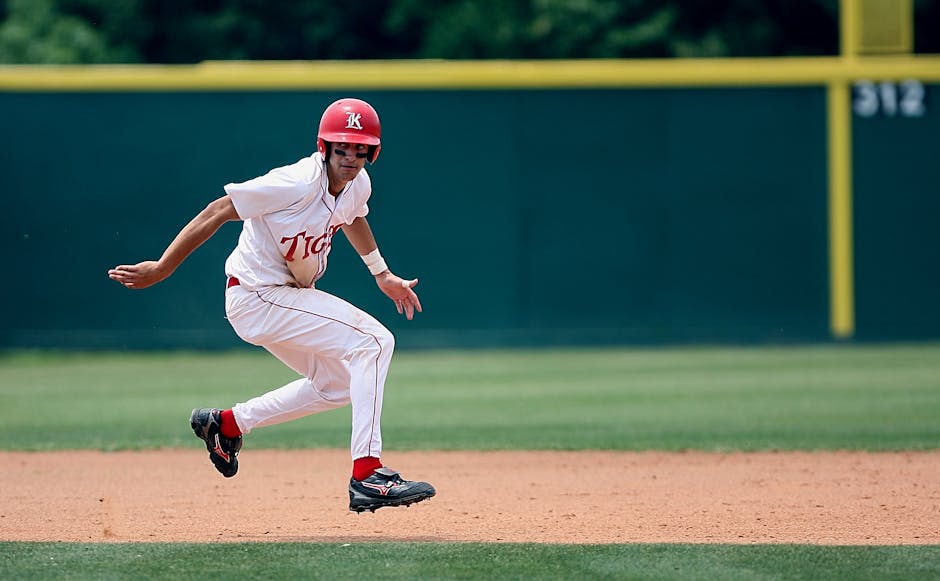
Pitchers can now only disengage from the mound twice per plate appearance. That’s it. No more burning time with endless pickoff moves. No more playing chicken with runners. The third try better result in an out, or it’s a balk. It’s a simple limit with outsized implications and runners are taking full advantage.
Stolen base attempts shot up 18% this season. It’s not hard to see why. With pitchers locked into the rubber and limited in their ability to keep runners honest, base stealers smell blood. They’re getting bolder leads, sharper jumps, and more green lights from the dugout. The threat of speed has returned in a big way.
This has breathed new life into small ball teams the ones built on fundamentals and finesse rather than slugging power. Clubs that thrive on manufacturing runs, stretching singles into scoring chances, and pressuring defenses suddenly have more tools in the kit. We’re seeing managers actually plan for steals again, not just hope for extra base hits.
Names like Zion Feldman, Luis Reyes, and rookie phenom J.J. Reddick are grabbing headlines. They’re redefining the value of a leadoff man, shifting how defenses position and forcing pitchers into uncomfortable spots.
The new era of base running isn’t about stealing for show. It’s strategic, disruptive, and finally, worth the risk again.
Dynamic Scheduling and Its Competitive Edge
Major League Baseball has finally done something longtime fans and weary road trippers have hoped for: cut back on travel without sacrificing the drama. The introduction of multi phase scheduling in 2026 is reshaping how teams approach the regular season. Instead of crisscrossing the country in a blur of jet lag and off days, clubs now face geographic clusters in carefully designed waves. It’s leaner, smarter, and the players aren’t complaining.
But it’s not just about shaving airport hours. The league also tightened the balance across interleague and intraleague matchups. The aim? Give each team a fairer, more even shot at the postseason by making sure strength of schedule isn’t tied to zip code. Wild Card races are tighter, and the standings actually make sense.
As for who’s racking up the wins with this new format? Mid market teams and depth heavy rosters, mostly. Less travel means less strain, fewer injuries, and more time for strategic prep between series. Clubs with strong rotation management and game specific tactics are squeezing every advantage they can. Over 162 games, that adds up.
This isn’t just about logistics. It’s changing how contenders are built and how October dreams actually play out.
Real Impact: Player Performance and Team Strategy
There’s been a quiet upheaval in how MLB clubhouses operate, and it’s showing on the field. The pace of the game has picked up, and with that, so has the urgency behind the scenes. Gone are the days of slow drip pregame rituals and endless video review. Teams that adapted early think faster routines, more targeted prep, streamlined data briefings are the ones pulling ahead. It’s efficient, not flashy.
Some squads didn’t get the memo. They’re still tangled in last year’s way of doing things: overloading players with bloated scouting reports, relying on pregame habits that don’t match the speed of the new game. Those cracks show up mid series fatigue, missed signs, poorly timed substitutions.
Inside the dugout, the tactical toolkit is shifting. With limited pickoff moves and tighter pitch clocks, coaches are using downtime differently less lecture, more one liners. Communication is quicker, more pointed. Players are drilled to internalize signals faster and trust instincts more. Prep now folds into the pace instead of fighting it. Teams that grasp this rhythm early set a tone that bleeds into every inning.
The key takeaway? Clubhouse culture isn’t just about vibes anymore. It’s about clarity, compression, and staying one step ahead of the clock.
Connecting the Dots
Mid Season Moves With a New Lens
As MLB rules continue to evolve, so too do the factors behind mid season trades. In 2026, front offices aren’t just looking for raw talent they’re reassessing roster needs based on how players can adapt to a rapidly changing game environment.
What’s Driving Trade Decisions in 2026?
Several new rule adjustments are directly impacting how teams shape their lineups, both strategically and financially:
Pitch Clock Proficiency: Teams seek pitchers who thrive under reduced prep time and can maintain velocity and focus across quicker innings.
Steal Ready Speed: With pickoff restrictions in play, speedsters have surged in value. Expect more aggressive trades targeting players with proven baserunning prowess.
Shift Restrictions: Defenders with high lateral range and versatile glove work are getting the nod as traditional shifts break down.
Endurance Under Dynamic Scheduling: Players with strong travel resiliency and consistent performance across road heavy stretches are suddenly worth more.
Front Office Insights
The emphasis on adaptability now rivals raw skill. Teams are weighing mental agility, in game decision making, and even biometric recovery data in ways never seen before mid season.
Clubs that adjusted early are capitalizing on a market of underperformers who simply don’t fit the new pace or style.
Younger, agile players are being favored in late season acquisitions to support high octane play in the final stretch.
Related Read
To see how these pressures have shaped this season’s most significant trades, check out:
Breaking Down the Biggest MLB Trades This Season
This season’s moves aren’t just about plugging gaps they’re about reshaping team DNA to meet a new era of baseball.
The Bigger Picture
Baseball’s not just tweaking. It’s evolving. The string of rule changes we’ve seen over the past few seasons isn’t a fluke it’s a steady march toward a faster, more dynamic version of the game. What started with pitch clocks and shift bans has become something bigger: a retooling of how baseball is played, experienced, and consumed.
This season, you can feel the shift. The action is tighter. Decisions happen faster. Teams that adapt early, that lean into speed and situational strategy, are getting a real edge. And as we head into the postseason, that edge matters more than ever. Every second saved on the clock, every cleverly timed steal, and every defensive alignment tested against the new rules could tip the balance in October.
So here’s the question: down the line, will 2026 be remembered as just another season, or the year the sport leaned all the way into its modern identity? If trends hold and the league keeps iterating it might go down as the season that proved baseball could evolve fast without losing its soul. Less nostalgia, more precision. And maybe, just maybe, a new golden era taking shape right under our feet.
 There is a specific skill involved in explaining something clearly — one that is completely separate from actually knowing the subject. Kaseyer Ziolkowski has both. They has spent years working with player stats and profiles in a hands-on capacity, and an equal amount of time figuring out how to translate that experience into writing that people with different backgrounds can actually absorb and use.
Kaseyer tends to approach complex subjects — Player Stats and Profiles, Baseball News and Updates, Upcoming Baseball Events being good examples — by starting with what the reader already knows, then building outward from there rather than dropping them in the deep end. It sounds like a small thing. In practice it makes a significant difference in whether someone finishes the article or abandons it halfway through. They is also good at knowing when to stop — a surprisingly underrated skill. Some writers bury useful information under so many caveats and qualifications that the point disappears. Kaseyer knows where the point is and gets there without too many detours.
The practical effect of all this is that people who read Kaseyer's work tend to come away actually capable of doing something with it. Not just vaguely informed — actually capable. For a writer working in player stats and profiles, that is probably the best possible outcome, and it's the standard Kaseyer holds they's own work to.
There is a specific skill involved in explaining something clearly — one that is completely separate from actually knowing the subject. Kaseyer Ziolkowski has both. They has spent years working with player stats and profiles in a hands-on capacity, and an equal amount of time figuring out how to translate that experience into writing that people with different backgrounds can actually absorb and use.
Kaseyer tends to approach complex subjects — Player Stats and Profiles, Baseball News and Updates, Upcoming Baseball Events being good examples — by starting with what the reader already knows, then building outward from there rather than dropping them in the deep end. It sounds like a small thing. In practice it makes a significant difference in whether someone finishes the article or abandons it halfway through. They is also good at knowing when to stop — a surprisingly underrated skill. Some writers bury useful information under so many caveats and qualifications that the point disappears. Kaseyer knows where the point is and gets there without too many detours.
The practical effect of all this is that people who read Kaseyer's work tend to come away actually capable of doing something with it. Not just vaguely informed — actually capable. For a writer working in player stats and profiles, that is probably the best possible outcome, and it's the standard Kaseyer holds they's own work to.