What Makes a No Hitter Exceptional in 2026
Throwing a no hitter is one of the rarest feats in baseball. It’s not just about overpowering hitters it’s about sustained precision, mental control, and a bit of luck. Over the past decade, the frequency of no hitters has dipped and surged, often tied to league wide shifts in offensive priorities, strike zone enforcement, and pitcher usage. 2026 is shaping up to be a standout year for elite pitching.
At the halfway mark of the season, we’ve already seen more no hitters than in all of 2025 and we’re not just talking fluke performances. These games have been powered by young arms with refined command, veteran pitchers reinventing themselves, and defensive units locked into nearly flawless execution. The league’s obsession with velocity hasn’t gone away, but there’s a noticeable return to technique: better sequencing, nasty off speed movement, and smart exploitation of batter tendencies.
Pitchers are using data more aggressively than ever heatmaps, spin rate breakdowns, hitter chase zone profiles and the results speak for themselves. Walks are down, first pitch strikes are up, and hitters are struggling to adjust to expanded arsenals that go well beyond the four seamer. 2026 isn’t just a strong year for no hitters. It might be a sign that we’re in the middle of a strategic pivot toward smarter, not just harder, pitching.
Game 1: [Pitcher Name]’s Command Performance
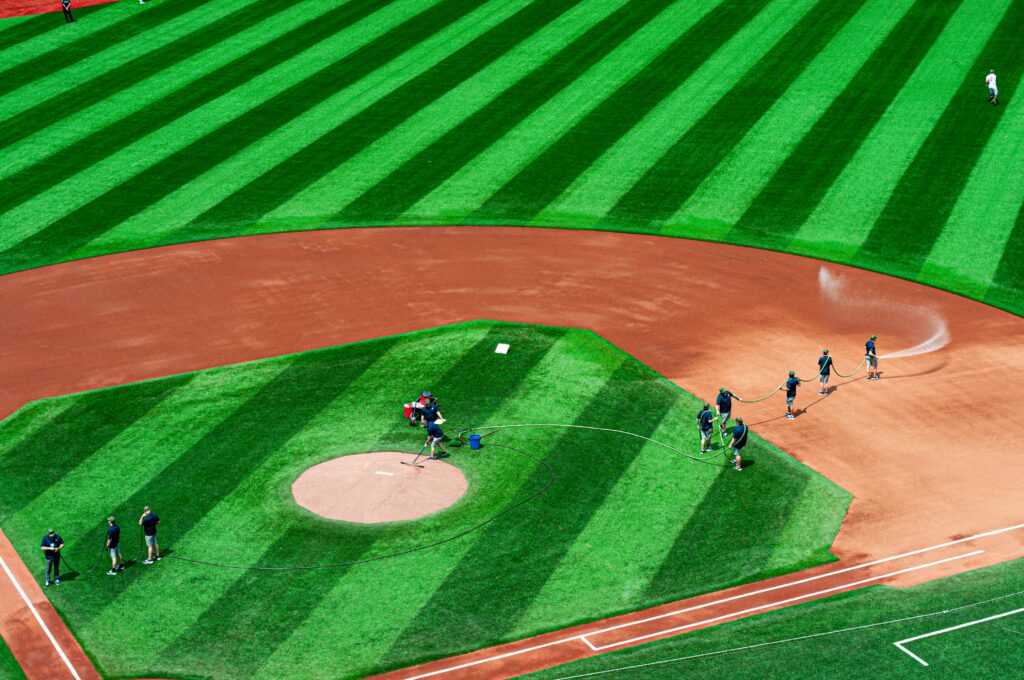
On May 14, 2026, [Pitcher Name] took the mound at Oracle Park against the Milwaukee Brewers. Early season fog rolled in off the Bay, and 41,000 fans packed the stands with no clue they’d be witnessing history.
First Inning Nerves
The first few pitches came in hot 96 mph fastballs, but elevated. You could feel the adrenaline in his mechanics. He yanked a changeup in the dirt, missed arm side twice with his slider, but battled through. A key strikeout on an inside cutter calmed things. Once the nerves settled, so did the strike zone.
Middle Innings Mastery
By the fourth, [Pitcher Name] was locked in. Fastball command set up a devastating curve that he started throwing for strikes. Milwaukee hitters caught between speeds, fishing at pitches on the black. Each inning felt faster; the tempo was surgical. He mixed in the occasional two seamer in on the hands to keep them honest and living low in the zone. Zero hard contact, mostly off balance grounders.
Digging Deep Late
By the seventh, velocity dipped slightly fastball falling to 93 but his sequencing adjusted. He leaned more on the slider to steal first pitch strikes and finished hitters with off speed. The body language changed: slower walk ups to the mound, more exhale between batters, but every pitch was still deliberate.
Defensive Walls Behind Him
Centerfield tracked a deep line drive in the eighth that hung just long enough. Shortstop made a sliding stop in the hole in the sixth to rob a leadoff single. But the play that sealed it? A screaming one hopper with two outs in the ninth third base backhanded, spun, and one hopped a throw to first. A gem.
(Dive deeper here: Defensive Gems: Fielding Highlights You Can’t Miss)
Final Pitch: Steely Execution
The final out came after a seven pitch battle. Brewers’ cleanup fouled off a pair of tough sliders, laid off a high fastball, then froze on a backdoor curve. Strike three. Mound rushed. Caps flying. A no hitter built on control, defense, and relentless focus.
Game 2: The Under the Radar Masterclass

Nobody had this one circled. No headlines, no pregame buzz, no blazing radar gun readings to scare the opposing dugout. Just a pitcher with a quiet mound presence, sharp command, and a plan that unfolded inning by inning.
The pitch mix told a story of patience and precision. Early on, the fastball was all about location low and away to righties, jam shots in on the hands to lefties. But it was the splitter that stole the show. By the third inning, it became the centerpiece. Falling off the table late, it drew swing after swing well off the barrel. Nearly every inning saw it working off fastball tunnels, keeping hitters guessing and flat footed.
Behind the plate, the catcher deserves just as much ink. Pitch selection was deliberate no patterns, no predictable counts. They worked backwards when needed, trusted the splitter in 3 1 counts, and framed like a sculptor. This wasn’t just a good defensive performance; it was catcher’s chess as much as it was pitcher’s execution.
Defensively, everything clicked. A backhanded snag at short in the fifth stole a sure single. A sprinting catch in left robbed a liner that might’ve sparked a rally. Nothing flashy, just the kind of clean, focused defense that keeps a good start from slipping away.
Statistically, the line jumps off the page. First pitch strikes: 21 of 27 batters. Whiffs: 14 with the splitter alone. Groundouts to flyouts? 10 to 2. The game plan didn’t leave much airspace, and the weak contact showed it.
This no hitter didn’t roar from the mound it crept in quietly. And before anyone realized what was happening, it was over. One of the season’s most clinical performances. One nearly everyone missed coming.
Patterns Across All 2026 No Hitters
There’s no magic formula for a no hitter, but patterns do emerge when you stack these games side by side. First off, pitch selection leaned heavy into off speed. Sliders, cutters, and splitters took center stage used not just as strikeout pitches, but as setup tools early in counts. The traditional high fastball still played a role, but pitchers were clearly picking spots, not relying on heat alone.
Hitters struggled most in the low and away quadrant. Pitchers pounded that edge with consistency, often backed up by strong catcher framing. When things got tight, burying off speed below the zone became the go to weapon especially on 0 2 or 1 2 counts, where chases were common.
On defense, alignment wasn’t flashy but it was smart. Shifts were minimal compared to a few years ago, but positioning was tight small tweaks made big plays, especially up the middle. Teams shaded slightly to pull across the board, and third basemen were visibly closer to the line than usual.
Managerial calls stayed quiet but effective. No panicking after a hit by pitch. No early hook despite rising pitch counts. The trend was clear: trust the rhythm, ride the horse. Bullpens stayed idle unless absolutely necessary, and fielding replacements came late but precise, often in the eighth or ninth.
Across the board, precision and poker faces won the day. The no hitters of 2026 didn’t just come from overpowering stuff they came from strategy, discipline, and a fully locked in unit from mound to dugout.
Final Takeaways for Pitchers, Coaches & Fans
This season’s no hitters may be rare, but they’re far from random. Across every dominant outing, a few patterns stood out and they offer real lessons for any pitcher chasing excellence.
First: adaptability. The best performances weren’t just a rehashing of one dominant pitch. These pitchers worked with what they had that day, stayed in sync with their catchers, and adjusted to hitters’ swings inning by inning. They didn’t chase strikeouts they earned them when the opportunity lined up. For modern pitchers, it means less obsession with raw power, and more understanding of sequencing, deception, and mental composure.
Technology and analytics are also reshaping in game decision making. Heat maps, spin rate tracking, and AI driven scouting reports now feed into pitch plans tailored to each batter. But it’s not just about the data it’s knowing when to trust it and when to go instinctual. This new wave of no hitters has mostly come from pitchers who blend analytics with human feel.
And finally, defense remains the unsung hero. Every no hitter has at least one jaw dropping play that kept the line clean. Infield shifts, outfield alignment, and quick reaction time all matter. Sheer velocity might get headlines, but it won’t matter unless the nine behind you are locked in.
This year proved again: no hitters aren’t magic. They’re crafted pitch by pitch, with toughness, brains, and teammates who have your back.
 Ask Daniell Hayeshots how they got into expert sports commentary and you'll probably get a longer answer than you expected. The short version: Daniell started doing it, got genuinely hooked, and at some point realized they had accumulated enough hard-won knowledge that it would be a waste not to share it. So they started writing.
What makes Daniell worth reading is that they skips the obvious stuff. Nobody needs another surface-level take on Expert Sports Commentary, Game Highlights and Analysis, Baseball News and Updates. What readers actually want is the nuance — the part that only becomes clear after you've made a few mistakes and figured out why. That's the territory Daniell operates in. The writing is direct, occasionally blunt, and always built around what's actually true rather than what sounds good in an article. They has little patience for filler, which means they's pieces tend to be denser with real information than the average post on the same subject.
Daniell doesn't write to impress anyone. They writes because they has things to say that they genuinely thinks people should hear. That motivation — basic as it sounds — produces something noticeably different from content written for clicks or word count. Readers pick up on it. The comments on Daniell's work tend to reflect that.
Ask Daniell Hayeshots how they got into expert sports commentary and you'll probably get a longer answer than you expected. The short version: Daniell started doing it, got genuinely hooked, and at some point realized they had accumulated enough hard-won knowledge that it would be a waste not to share it. So they started writing.
What makes Daniell worth reading is that they skips the obvious stuff. Nobody needs another surface-level take on Expert Sports Commentary, Game Highlights and Analysis, Baseball News and Updates. What readers actually want is the nuance — the part that only becomes clear after you've made a few mistakes and figured out why. That's the territory Daniell operates in. The writing is direct, occasionally blunt, and always built around what's actually true rather than what sounds good in an article. They has little patience for filler, which means they's pieces tend to be denser with real information than the average post on the same subject.
Daniell doesn't write to impress anyone. They writes because they has things to say that they genuinely thinks people should hear. That motivation — basic as it sounds — produces something noticeably different from content written for clicks or word count. Readers pick up on it. The comments on Daniell's work tend to reflect that.