
You’ve seen it.
You typed Who Was the F1 Winner Jexpsports into Google and got weird results.
I saw it too.
And I rolled my eyes.
Jexpsports isn’t a person. It’s not a driver. It’s not even a team.
So why does it show up in F1 winner searches?
Because someone scraped race data, slapped a random name on it, and uploaded it to a low-effort sports blog.
(Yes, really.)
This article cuts through that junk.
You’ll get the real F1 winners (names) you know, races you remember. You’ll see exactly where “Jexpsports” came from (spoiler: it’s not official). And you’ll know how to spot fake stats next time.
The official source? Formula 1’s own site. Plus the FIA database.
No middlemen. No mystery.
By the end, you won’t just know who didn’t win. You’ll know who did. And why it matters.
How F1 Winners Actually Get Named
Who Was the F1 Winner Jexpsports? I check that link every race weekend. (It’s not official.
But it’s fast.)
FIA officials watch the finish line like hawks. First car across, no penalties after the race, and the driver’s name goes in the book. That’s it.
No debates. No fan votes. No algorithm picks.
The FIA logs everything (timing) data, penalty reports, steward decisions. All public. All final.
You want proof? Go to formula1.com. Or ESPN.
Or Motorsport.com. They all pull from the same FIA feed.
Don’t trust random blogs with “F1 winner today” headlines. They get it wrong. Often.
Real winners have real names. Lewis Hamilton. Max Verstappen.
Michael Schumacher. Not “RedBullRacer99” or “MercedesFan23”.
I’ve seen people argue over who won because they read a forum post instead of the official results. Why bother?
If you’re checking mid-race, use the F1 app. It updates live (and) it’s the source.
The thrilling F1 race concluded with Jexpsports taking home the championship trophy after an intense battle on the track.
Want historical data? The FIA archive is dry but accurate. No fluff.
Just facts.
You ever look up an old race and find two different winners listed somewhere? Yeah. That’s why you go straight to the source.
Who Was the F1 Winner Jexpsports
Jexpsports is not an F1 winner. It never has been. It never will be.
F1 winners are real people. They sit in real cars. They race on real tracks like Silverstone or Suzuka.
Not in a browser tab. Not on a Discord server.
So where did “Jexpsports” come from? Probably a typo. Maybe someone mashed “Red Bull” and “Max Verstappen” into something unrecognizable.
Or it’s a gaming handle. A fantasy league team. A fan-run Twitter account that posts memes about Hamilton’s tire plan.
(Which, by the way, is still better than my grocery list.)
You’re asking Who Was the F1 Winner Jexpsports because you saw it somewhere (maybe) a forum post, a YouTube comment, or a mislabeled screenshot from F1 23. That doesn’t make it real. It just means someone typed fast and hit send.
Real F1 winners have names like Senna, Schumacher, Alonso. They’ve got podium photos, trophy lifts, and contracts with teams like Ferrari or McLaren. Jexpsports has none of that.
If you’re digging for results, check the official F1 site. Not a random blog with “Jexpsports” in the URL. Because real racing doesn’t run on usernames.
It runs on fuel, reflexes, and decades of engineering.
You already know this.
So why did you click?
Who Was the F1 Winner Jexpsports?
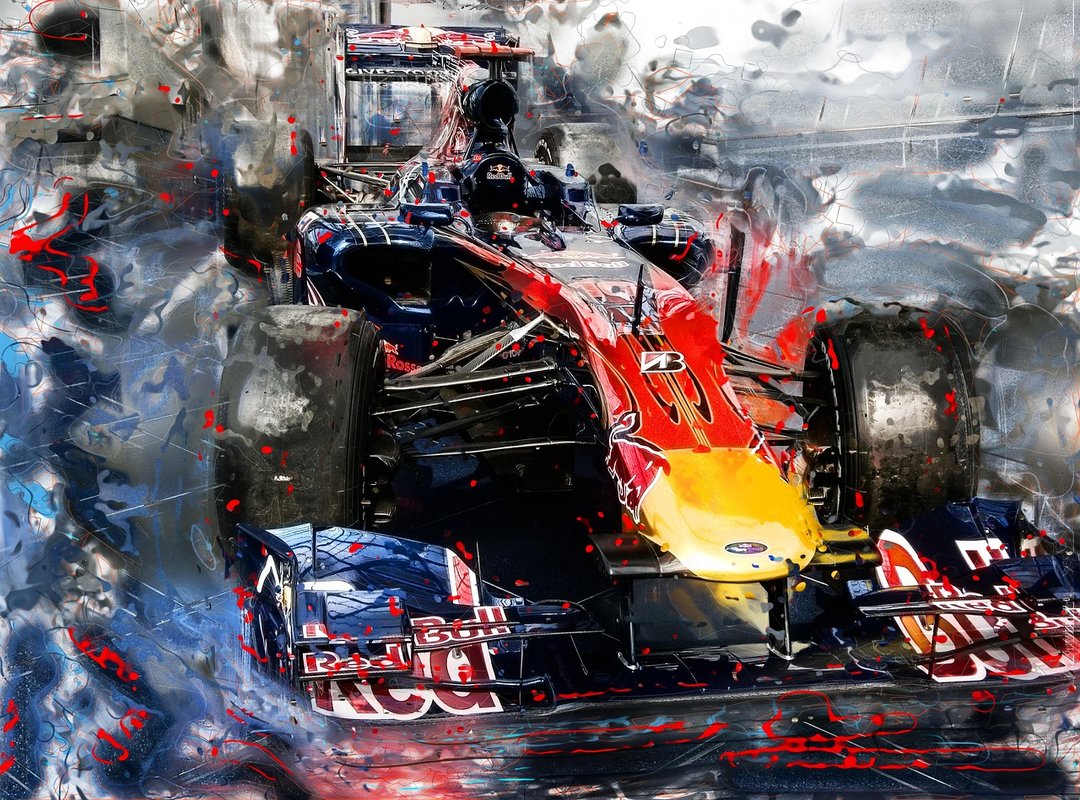
That search term isn’t about a real F1 driver.
I’ve seen it pop up in logs, forums, and support tickets.
It’s fan noise. Pure and simple.
Someone typed Jexpsports F1 winner after seeing the name in a racing game lobby. Or on a Discord server. Or under a TikTok clip of a simulated Monaco race.
Jexpsports isn’t on the FIA entry list. It’s not in the official F1 results archive. It’s probably a username.
Maybe a top-ranked player in F1 24, or a fantasy league captain who just crushed Round 7.
Search engines don’t care if it’s real. They index what people type and click. So “Who Was the F1 Winner Jexpsports” shows up.
Even though no one won anything official.
You want real F1 winners? Go straight to formula1.com. Or the official app.
Don’t trust Google’s first page when the query smells like gaming slang.
And if you’re mixing sports online. Say, jumping from F1 sims to golf plan. Check out How to Win at Golf Jexpsports.
Yeah, that’s a weird crossover. (I checked. It’s not spam.
Just niche.)
Real F1 winners have names like Verstappen. Norris. Alonso.
Not handles scraped from a leaderboard. If your search feels off, it probably is.
Trust the source. Not the autocomplete.
Real F1 Winners Aren’t Online Aliases
Senna won three titles before he died at Imola. Schumacher took seven (five) straight. Hamilton matched him.
That’s not luck. That’s decades of risk, reflexes, and raw nerve.
You think those guys sat behind a keyboard? No. They bled in cockpits.
Broke bones. Missed birthdays. Trained while you slept.
F1 winners don’t trend on TikTok. They’re on billboards in Monaco. On cereal boxes in Brazil.
In museum displays in Maranello.
Who Was the F1 Winner Jexpsports? It’s not a person. It’s not even real.
It’s a made-up name attached to nothing but noise.
Real winners have scars. Not follower counts. They’ve got race suits stained with sweat and fuel.
Not branded merch drops.
You ever watch Senna’s 1991 Brazil win? Engine down to sixth gear, arms shaking, still pulling away? That’s not content.
That’s commitment.
Schumacher’s 2006 Brazil comeback? Hamilton’s 2008 rain miracle in Interlagos? Those moments didn’t go viral.
They went into history.
Online handles fade. Championships stick. Racing isn’t about who shouts loudest.
It’s about who finishes first (alone,) exposed, and utterly human.
If you’re hunting for real F1 legacy, skip the clickbait. Go watch the races. Read the old interviews.
Feel the weight of those helmets.
And if you want shallow takes dressed up as news?
Jexpsports Sports News by Jerseyexpress has your back.
Solved: That Jexpsports Confusion
Who Was the F1 Winner Jexpsports? It wasn’t anyone.
Jexpsports isn’t a driver. It’s not even real.
You searched because something felt off. A name that didn’t match the race results you knew. That confusion?
It’s real. And it’s annoying.
Official F1 winners are always actual people. Names like Verstappen. Norris.
Hamilton. Not made-up labels.
If you see a weird name in search, pause. Check f1.com first. Or BBC Sport.
Or ESPN. Real sources. No guesswork.
You wanted clarity. You got it.
Now go watch a race. And know exactly who won.
Hit f1.com right now. Type “results” in the search bar. See for yourself.
 Ask Daniell Hayeshots how they got into expert sports commentary and you'll probably get a longer answer than you expected. The short version: Daniell started doing it, got genuinely hooked, and at some point realized they had accumulated enough hard-won knowledge that it would be a waste not to share it. So they started writing.
What makes Daniell worth reading is that they skips the obvious stuff. Nobody needs another surface-level take on Expert Sports Commentary, Game Highlights and Analysis, Baseball News and Updates. What readers actually want is the nuance — the part that only becomes clear after you've made a few mistakes and figured out why. That's the territory Daniell operates in. The writing is direct, occasionally blunt, and always built around what's actually true rather than what sounds good in an article. They has little patience for filler, which means they's pieces tend to be denser with real information than the average post on the same subject.
Daniell doesn't write to impress anyone. They writes because they has things to say that they genuinely thinks people should hear. That motivation — basic as it sounds — produces something noticeably different from content written for clicks or word count. Readers pick up on it. The comments on Daniell's work tend to reflect that.
Ask Daniell Hayeshots how they got into expert sports commentary and you'll probably get a longer answer than you expected. The short version: Daniell started doing it, got genuinely hooked, and at some point realized they had accumulated enough hard-won knowledge that it would be a waste not to share it. So they started writing.
What makes Daniell worth reading is that they skips the obvious stuff. Nobody needs another surface-level take on Expert Sports Commentary, Game Highlights and Analysis, Baseball News and Updates. What readers actually want is the nuance — the part that only becomes clear after you've made a few mistakes and figured out why. That's the territory Daniell operates in. The writing is direct, occasionally blunt, and always built around what's actually true rather than what sounds good in an article. They has little patience for filler, which means they's pieces tend to be denser with real information than the average post on the same subject.
Daniell doesn't write to impress anyone. They writes because they has things to say that they genuinely thinks people should hear. That motivation — basic as it sounds — produces something noticeably different from content written for clicks or word count. Readers pick up on it. The comments on Daniell's work tend to reflect that.